Topic Hub
Aircraft & Aerodynamics
Aircraft performance starts with aerodynamic fundamentals and core onboard systems. This topic covers how lift, drag, propulsion, stability, and cabin systems work together to keep flight safe and controllable.
Guides in this topic
8 guides
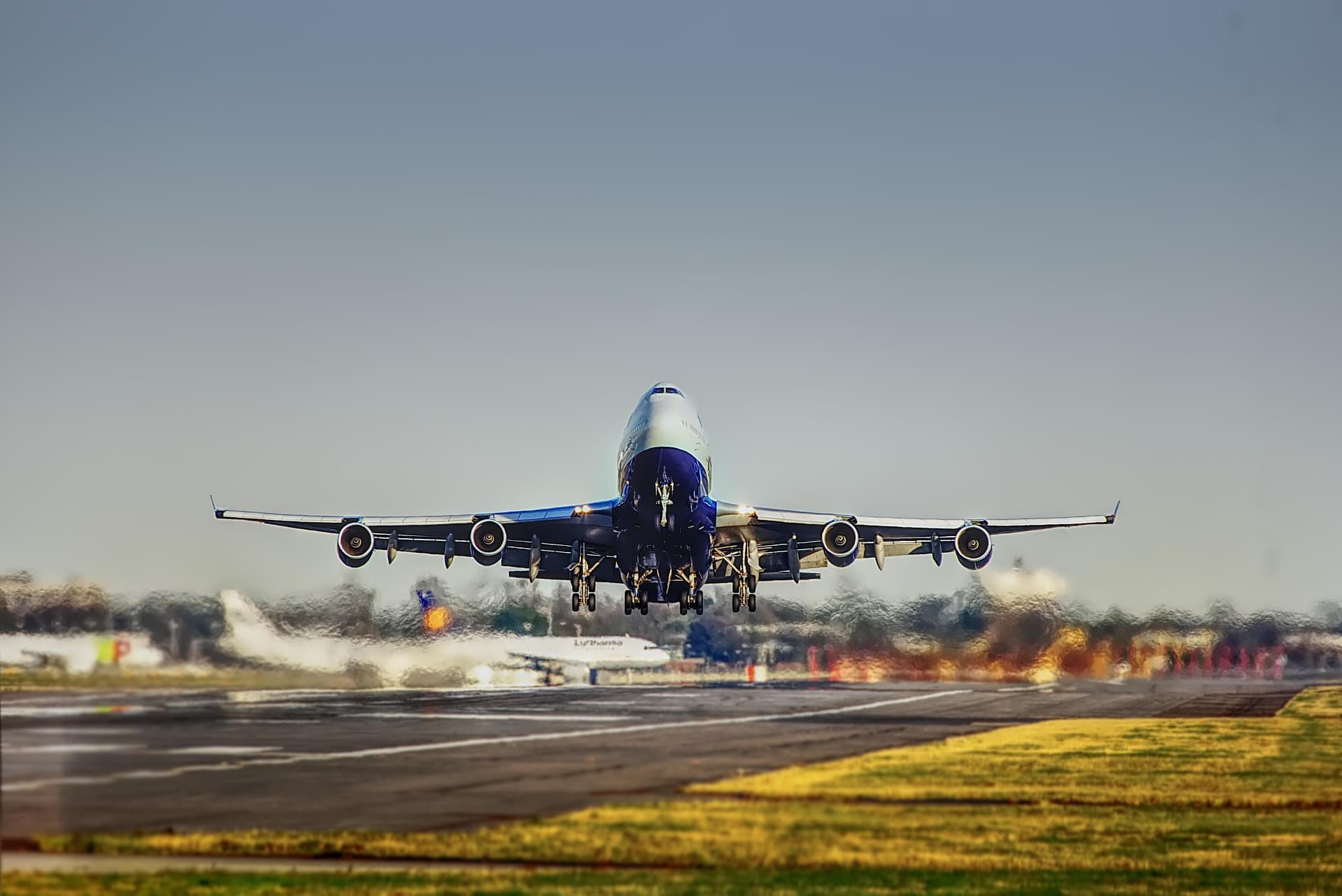
A comprehensive explanation of how airplanes fly, covering lift, thrust, drag, weight, airfoils, performance, control systems, and real-world flight operations.
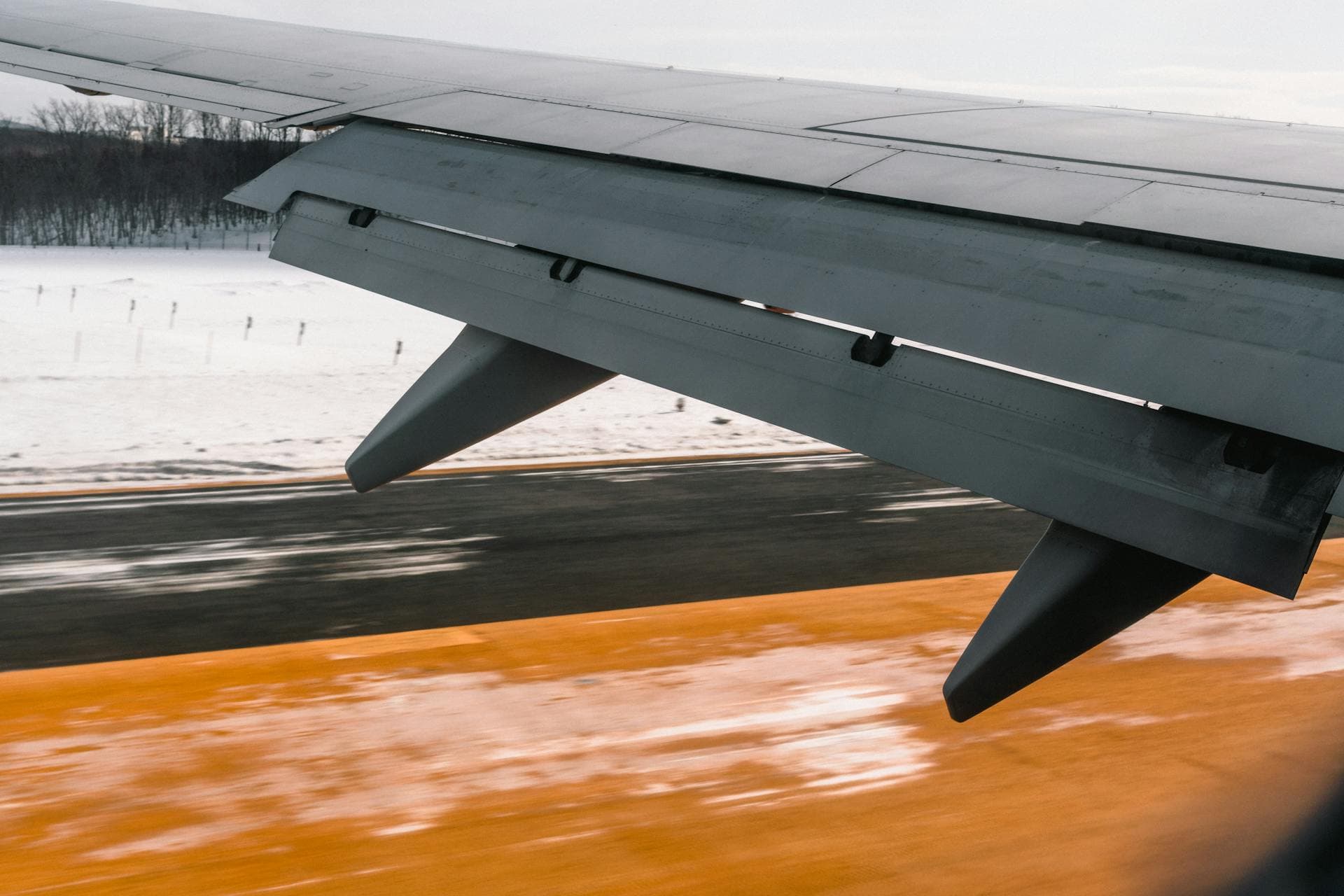
A precise explanation of aircraft control surfaces including ailerons, rudder, and elevator, how they work aerodynamically, and how pilots use them to control roll, pitch, and yaw.
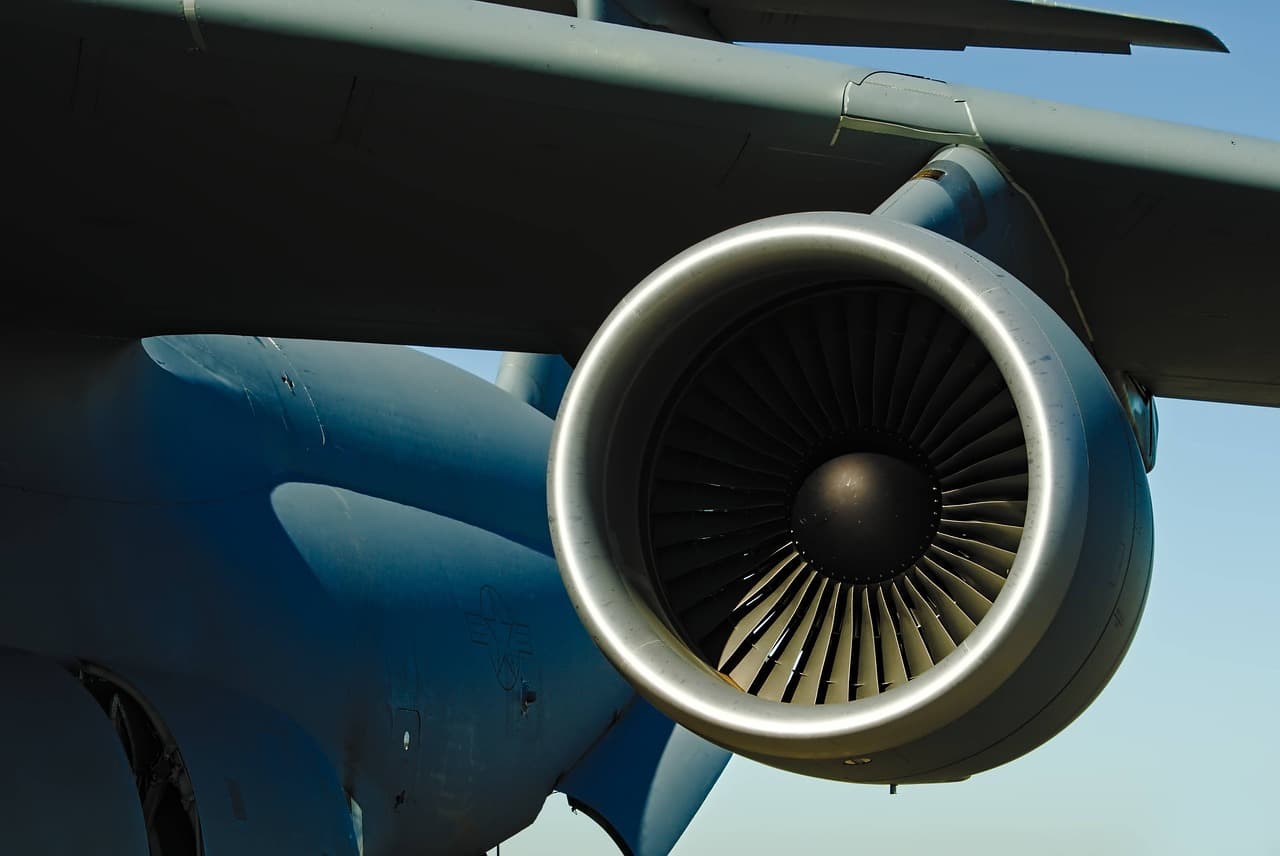
A technical, operations-focused explanation of how jet engines produce thrust, including the differences between turbofan and turboprop systems and where each is used in aviation.
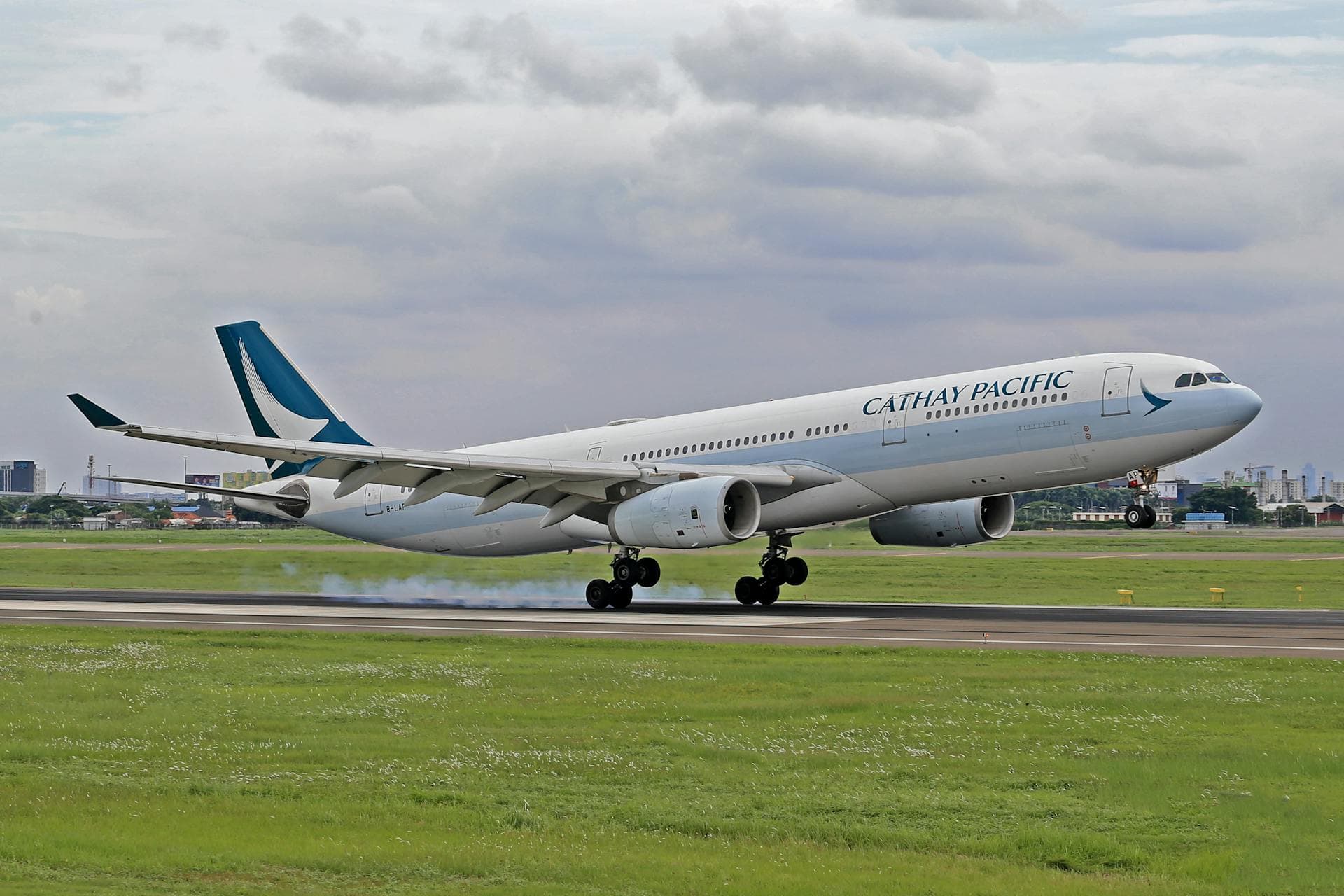
A precise explanation of induced drag and parasite drag, how they vary with airspeed, and why understanding the difference is critical for aircraft performance and flight operations.
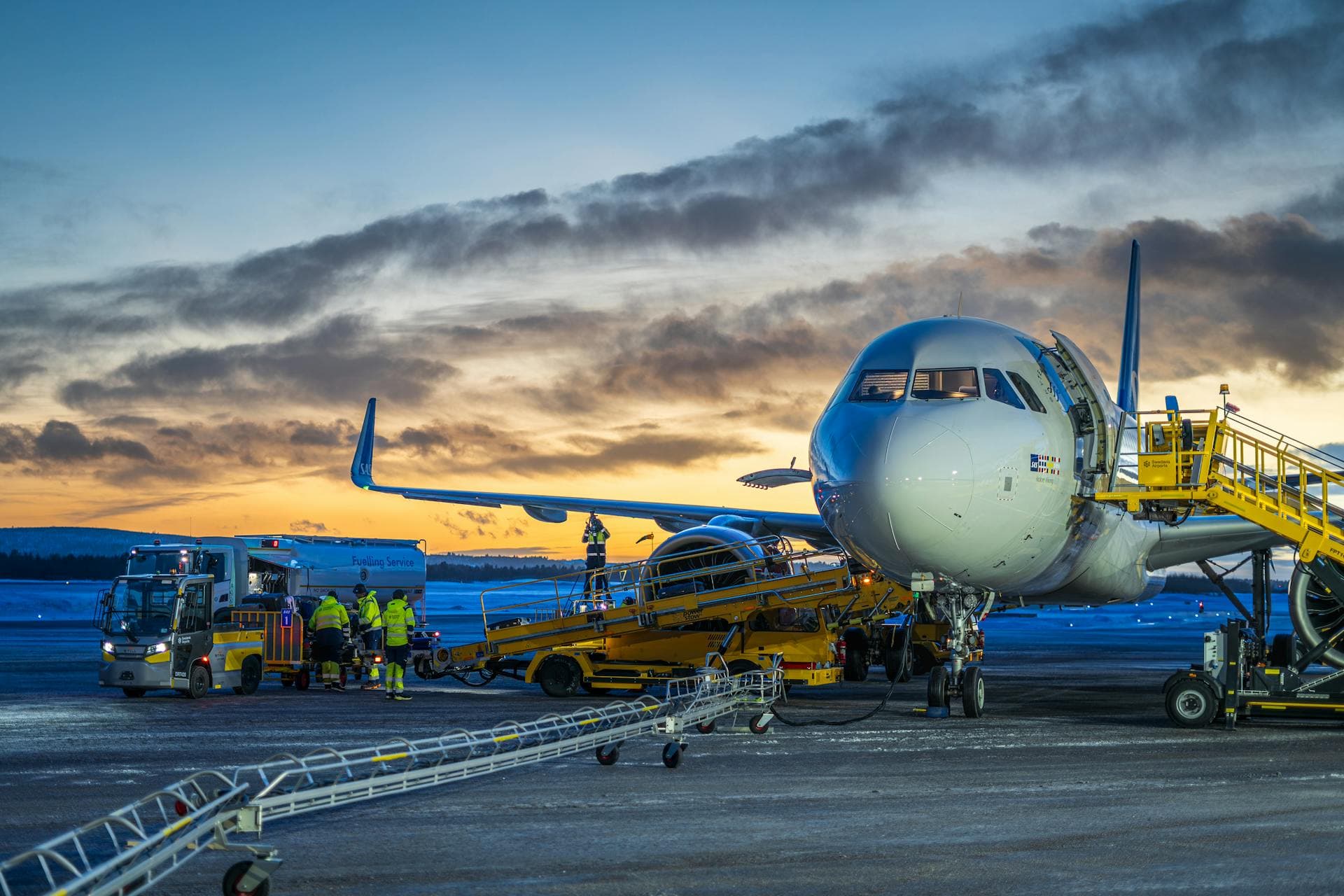
A precise operational guide to aircraft weight and balance, covering center of gravity, moments, loading calculations, performance impact, and flight safety considerations.
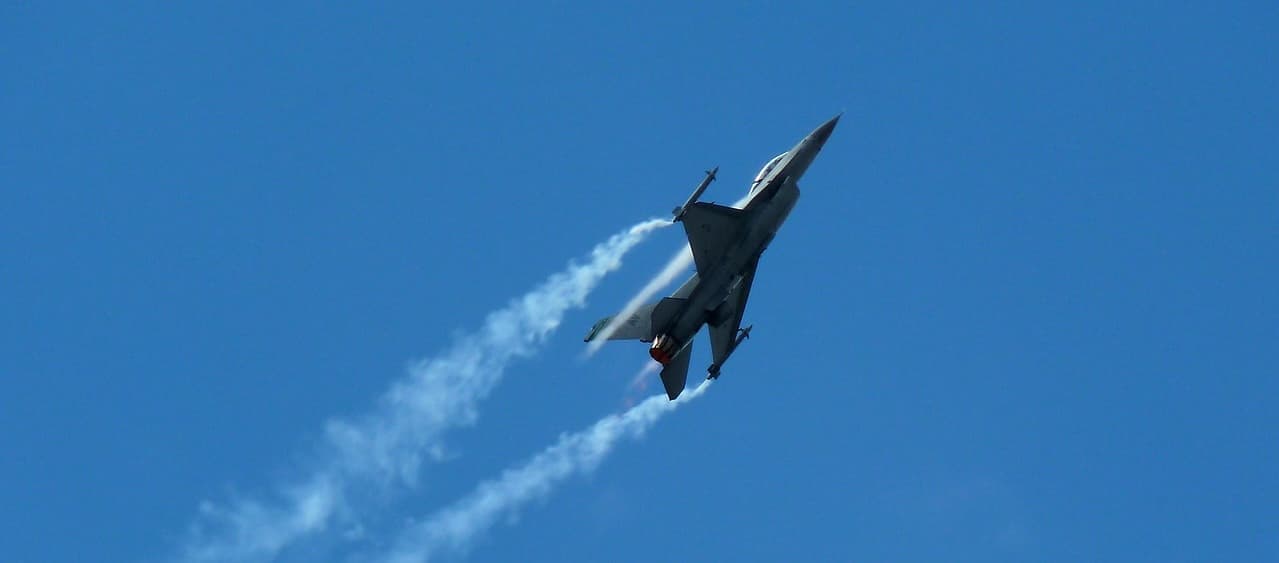
A precise operational explanation of aerodynamic stalls, including angle of attack, causes, recovery principles, and real-world flight implications.
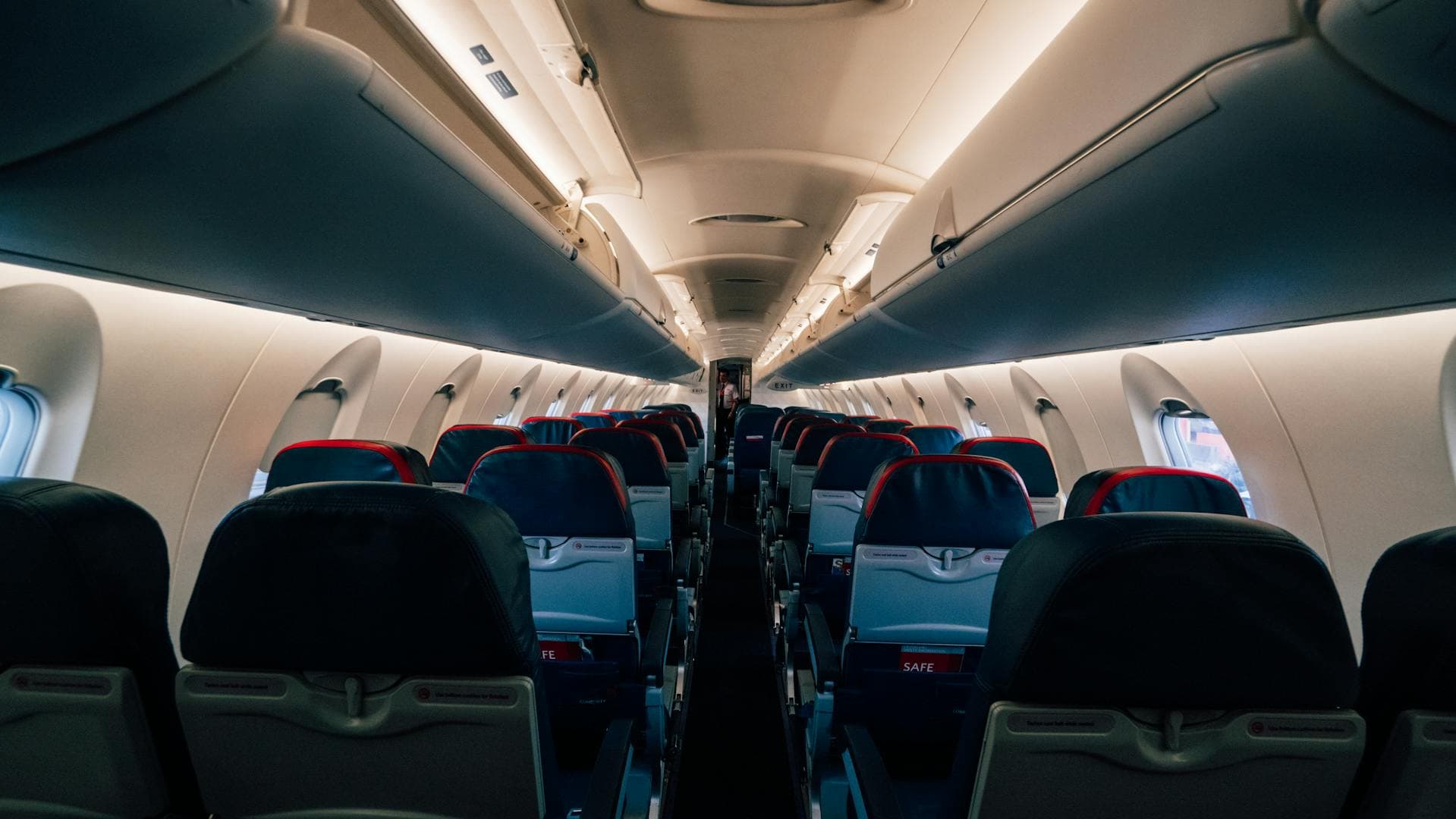
A technical guide explaining how cabin pressurization works, including outflow valves, bleed air systems, cabin altitude, and operational procedures during decompression.
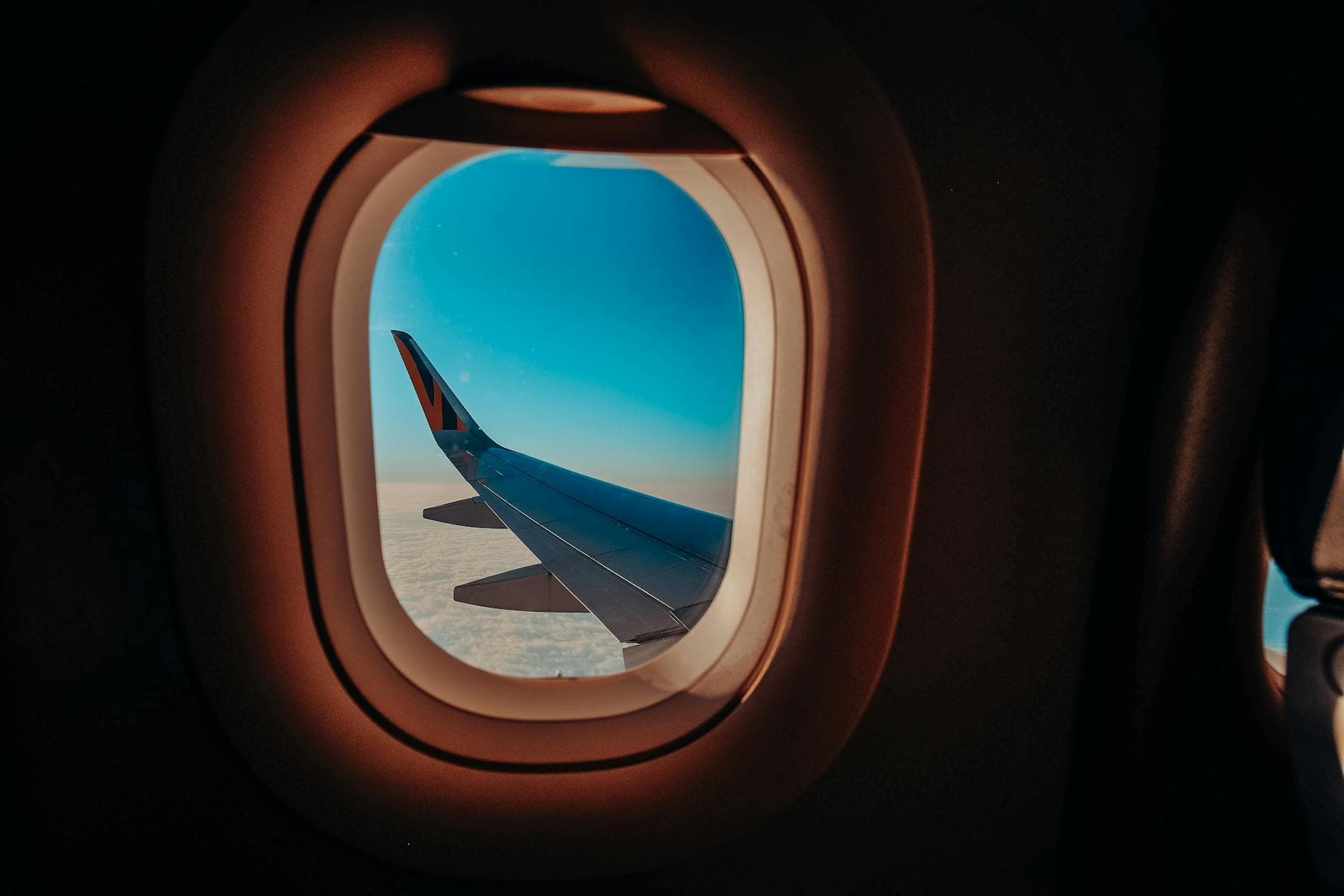
An operational and structural explanation of why airplane windows are rounded, focusing on pressurization, stress distribution, fatigue, and aviation safety design principles.